Results
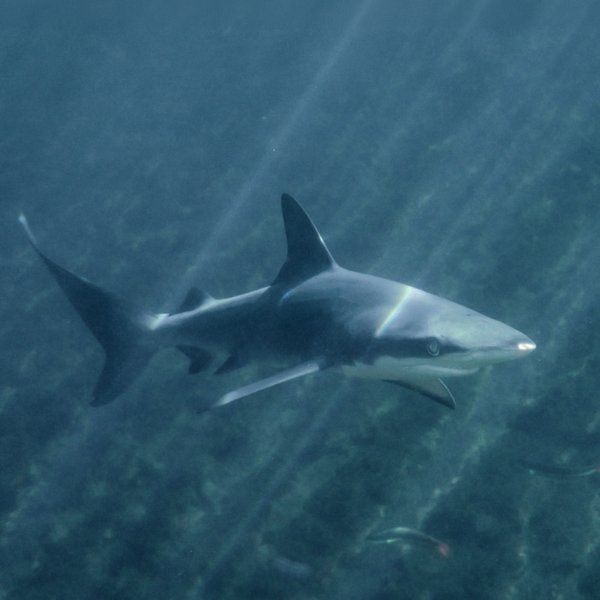
Galápagos sharks do not all behave the same. Hammerheads form large schools, whitetip reef sharks rest on reefs, tiger sharks repeatedly return to key feeding areas, and whale sharks undertake long migrations. Understanding these different behaviors helps protect critical habitats, migration routes, and supports more effective conservation strategies for each species.
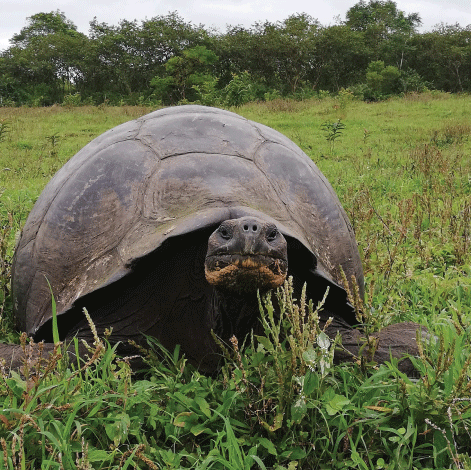
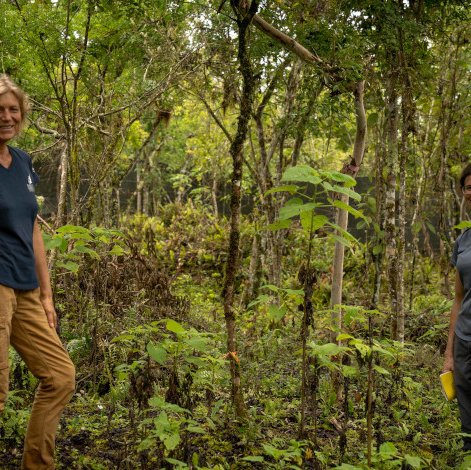
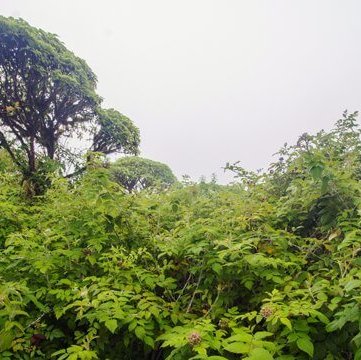
When we talk about Galapagos we always think of Darwin, giant tortoises and finches. But few outside Galapagos know about the Scalesia plants, commonly known as Darwin’s giant daisies.

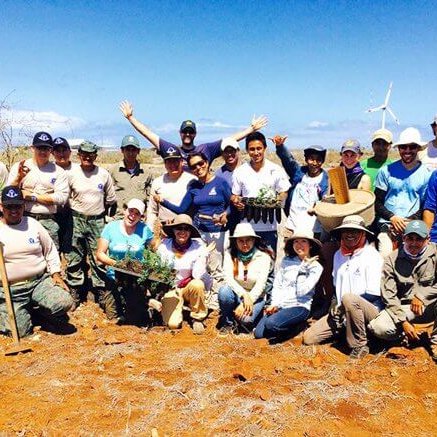
After nearly two decades of research, Lecocarpus lecocarpoides, a threatened Galápagos plant, is showing signs of recovery at Punta Manzanillo. The discovery of 54 seedlings shows that reintroduced plants produced viable seeds capable of naturally regenerating the population.
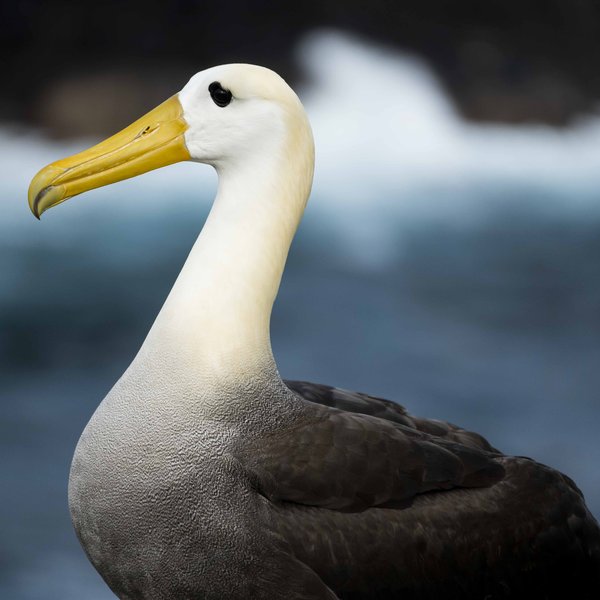
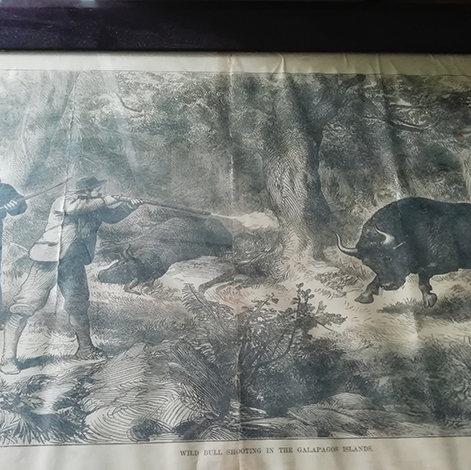
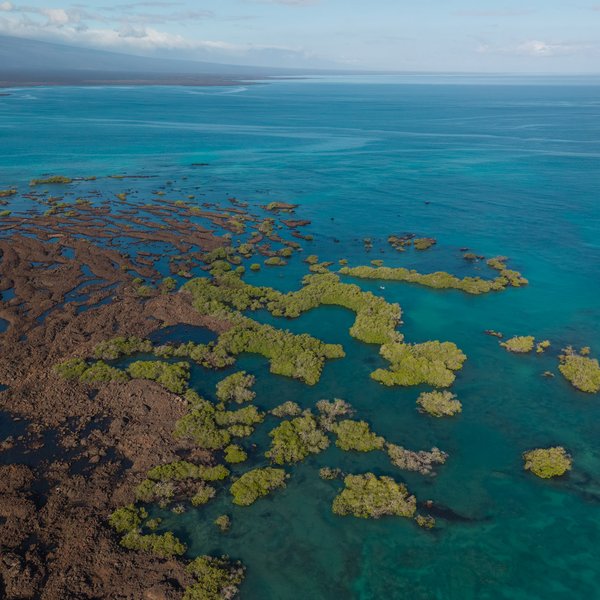
El Niño 2026 is transforming ocean conditions around Galápagos, with potential effects on food availability, reproduction, and survival across many species. Penguins, marine iguanas, sea lions, and corals are among the most vulnerable. Decades of scientific monitoring will help measure impacts and guide future conservation decisions across the archipelago effectively.
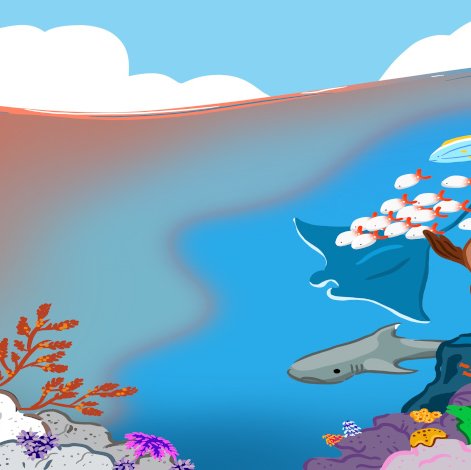
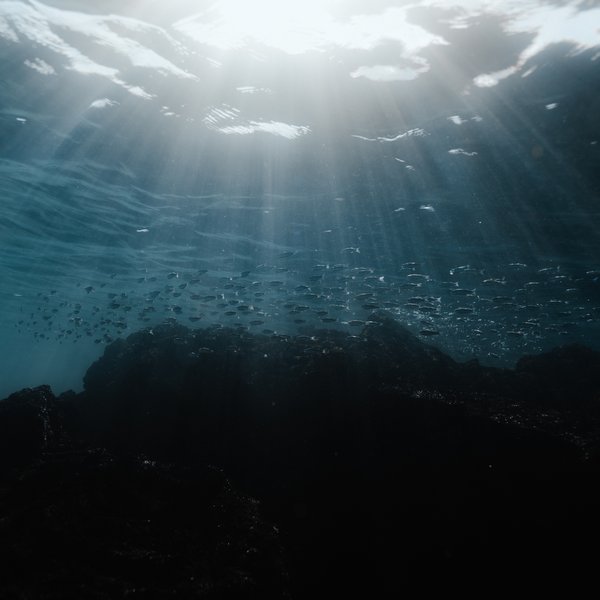
A scientific delegation from the Charles Darwin Foundation for the Galapagos Islands participated in the 12th annual meeting of the Commission of the South Pacific Regional Fisheries Management Organization (SPRFMO), which took place in Manta, Ecuador, between 29 January – 2 February 2024.
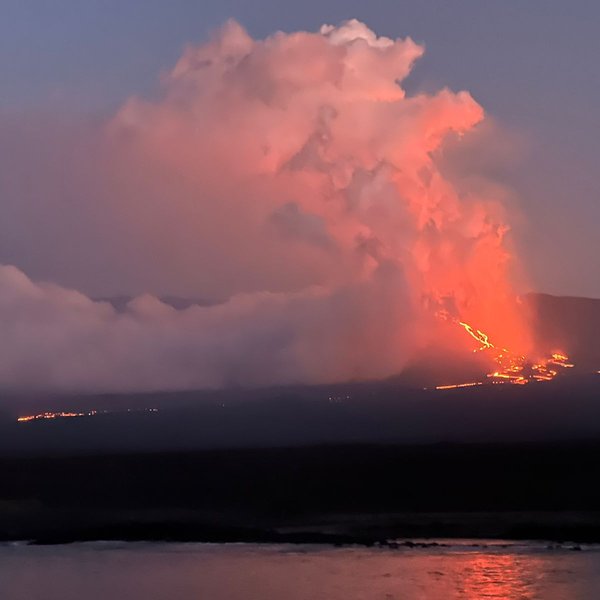
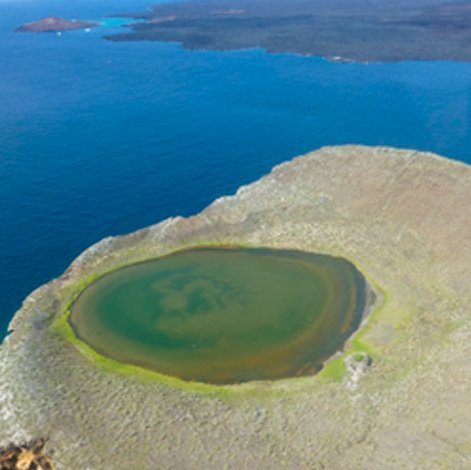
In an interview, renowned Galapagos volcanologist Dennis Geist tells us a bit more about the 2024 eruption and volcanic activity in Galapagos.