Results
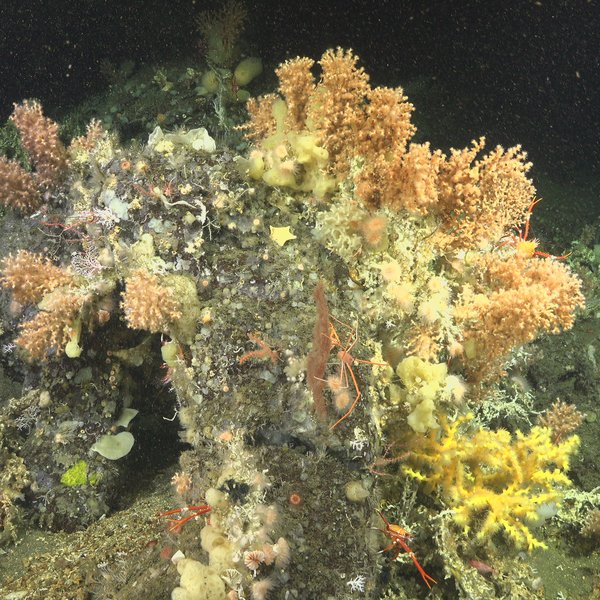
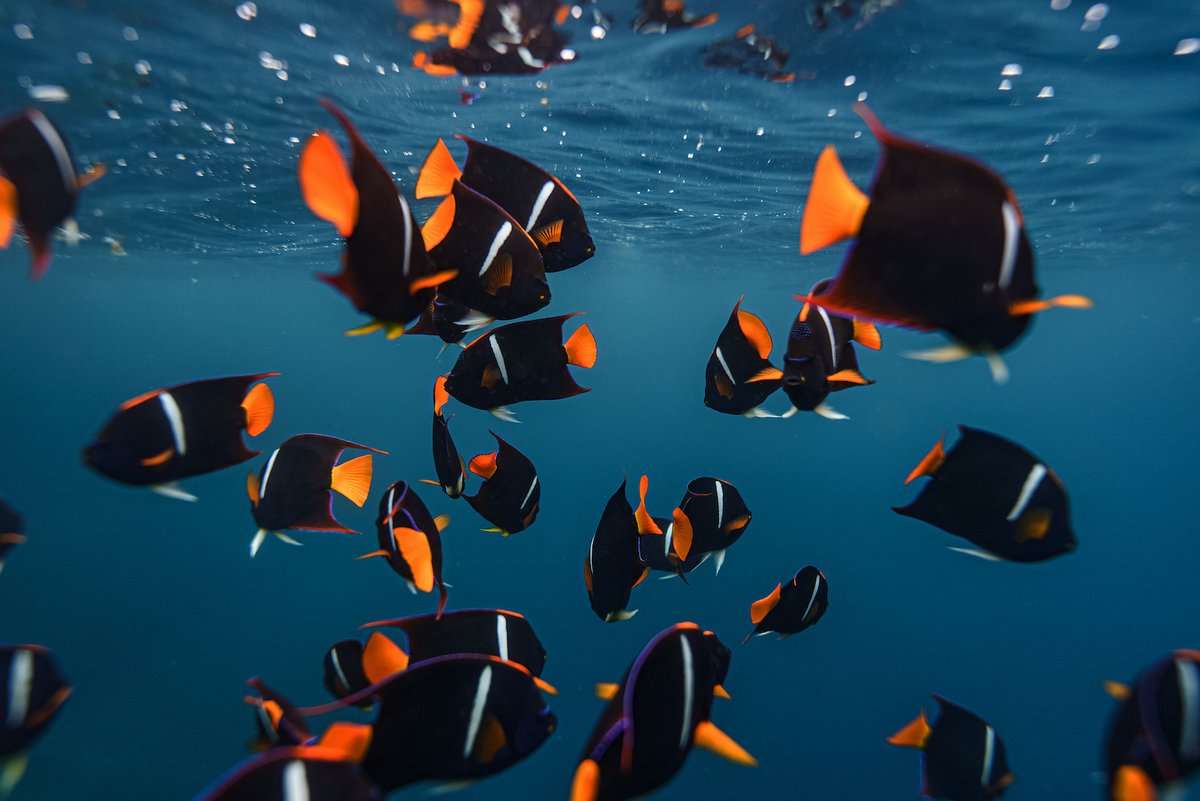
Scientists have uncovered a hidden collapse of Galápagos deep-sea corals, revealing a 1,000-year disappearance linked to ancient climate shifts. By reconstructing 117,000 years of ocean history, the study exposes the vulnerability—and resilience—of these unseen ecosystems, offering urgent insights into how climate change could reshape life in the deep ocean.
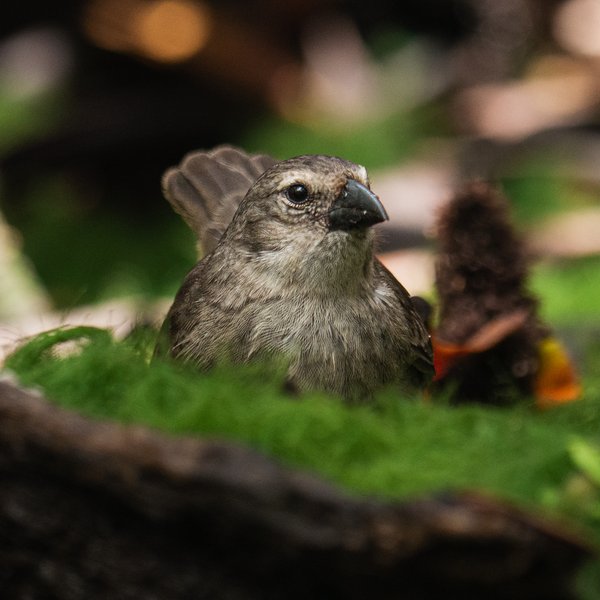
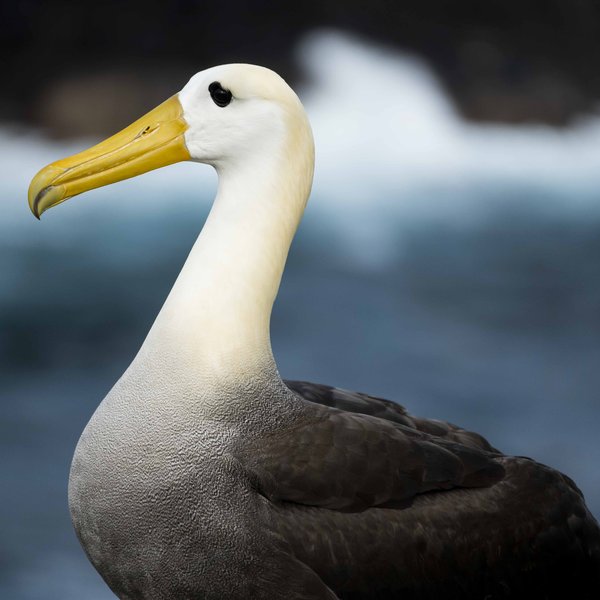
Scientists in Galápagos have recorded the most successful breeding season ever for the critically endangered Mangrove Finch, one of the world’s rarest birds. Discover how years of conservation work, innovative nest-protection strategies, and collaboration are offering new hope for this species’ survival in the remote mangrove forests of Isabela Island.
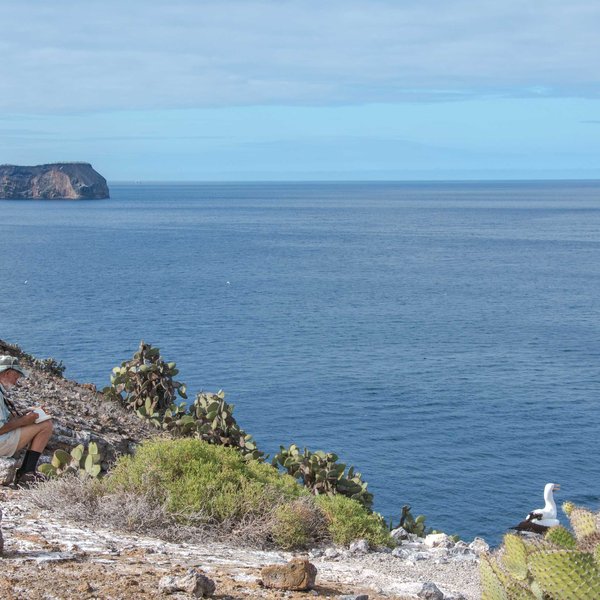
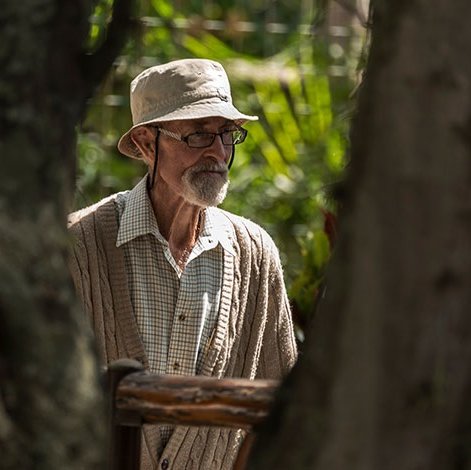
In 1973, evolutionary scientists Peter Grant and Rosemary Grant began a research project in the Galápagos Islands that would permanently change the modern understanding of evolution.

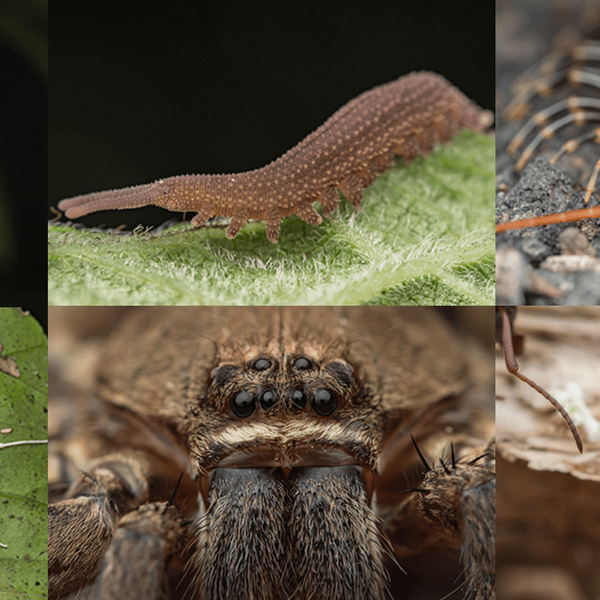
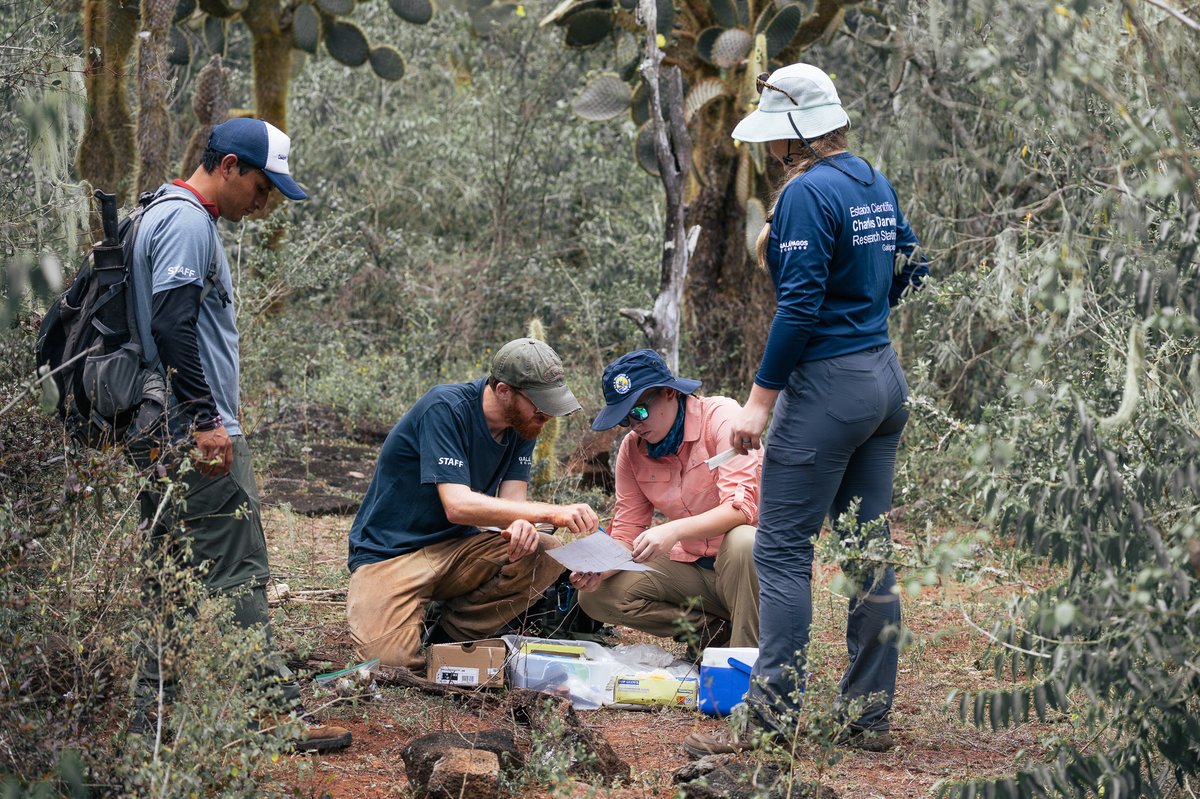
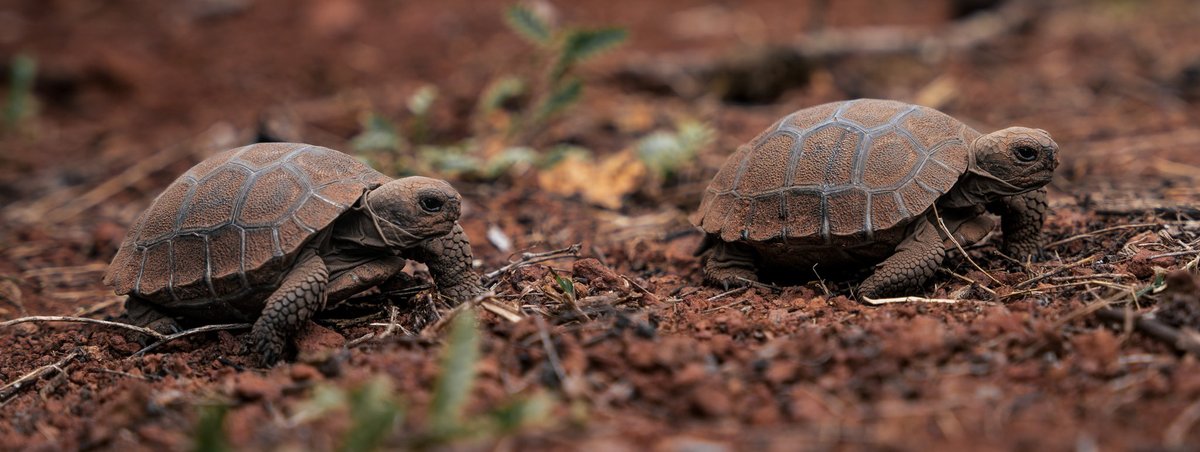
On Floreana, terrestrial invertebrates act as indicators of ecological recovery and as food for insectivorous birds. Monitoring them in protected and agricultural areas helps track habitat changes, detect invasive species, and assess whether the ecosystem is ready to support the reintroduction of animals that once disappeared locally from the island.

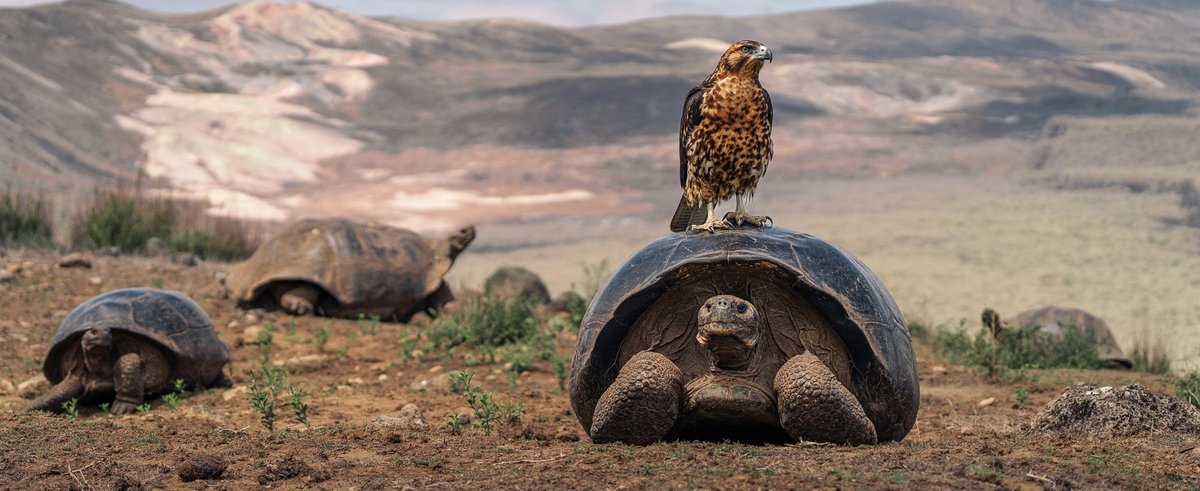
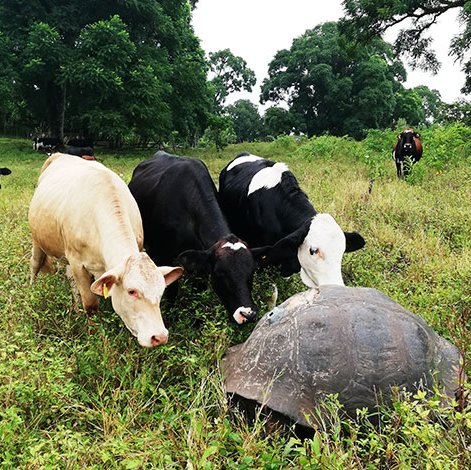
For the first time in Galápagos, researchers established 24 mesocosms that simulate natural ponds to study freshwater ecosystems. The experiment examines how nutrients provided by giant tortoises can alter water conditions and how these changes relate to the development of tadpoles of the archipelago’s only introduced tree frog Scinax quinquefasciatus.
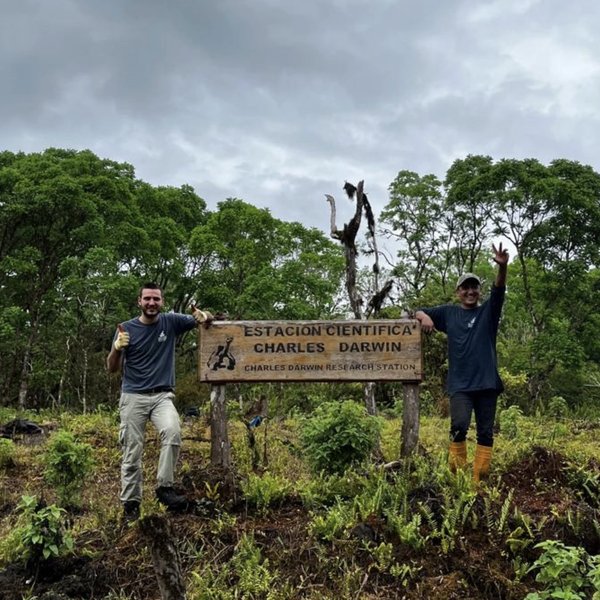
A volunteer’s journey helping restore the endangered Scalesia cordata forests of Isabela through science, fieldwork, and community collaboration.