Results
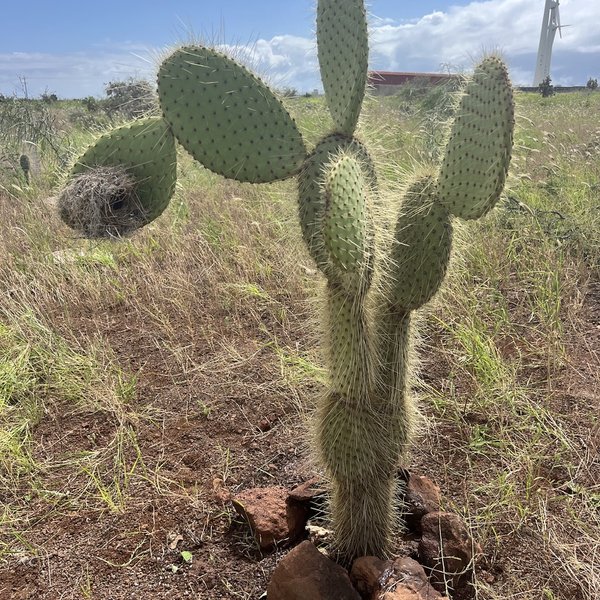
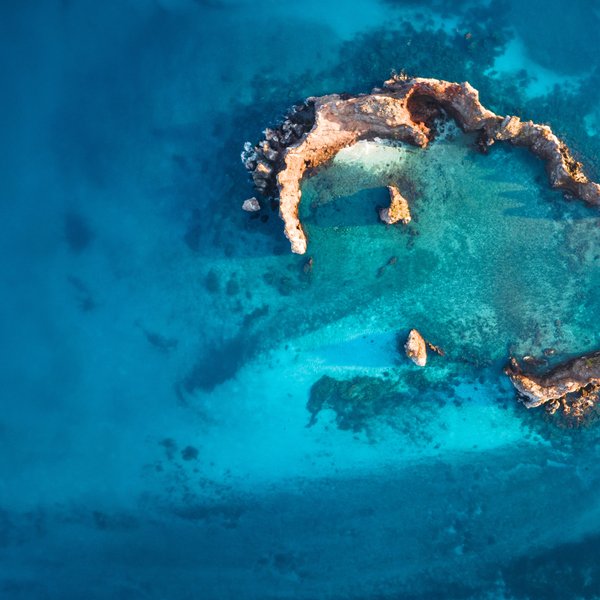
Baltra Island is coming back to life after more than a decade of restoration. Thanks to over 8,000 native plants introduced by the Charles Darwin Foundation and partners, ecosystems are regenerating naturally, offering new hope for Galápagos conservation.
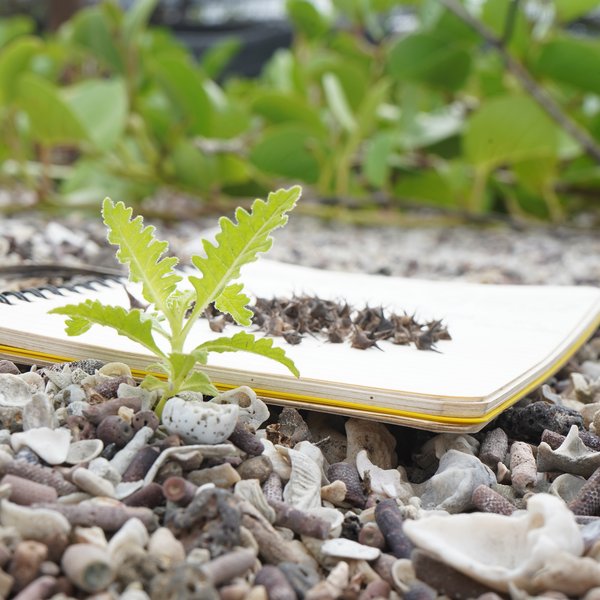
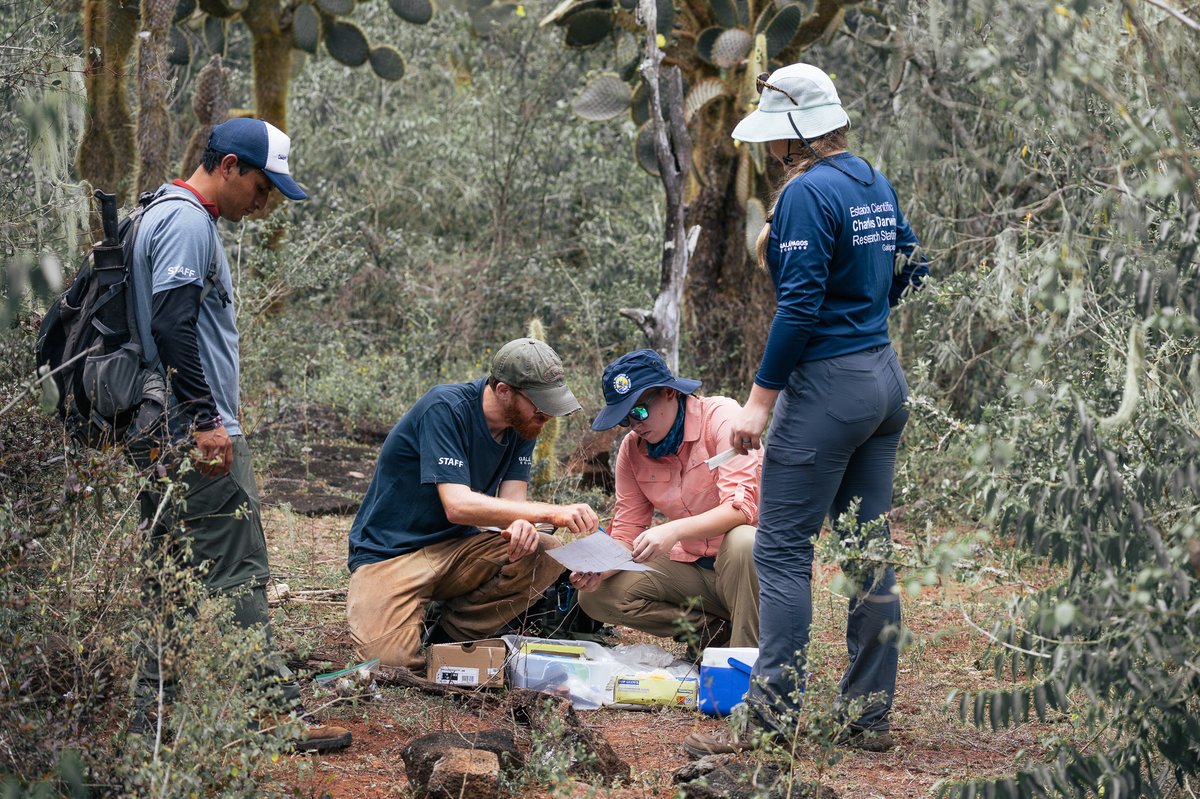
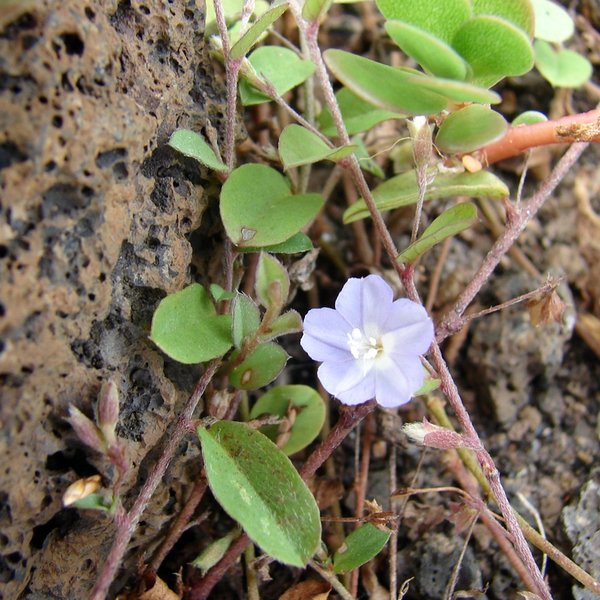
After nearly two decades of research, Lecocarpus lecocarpoides, a threatened Galápagos plant, is showing signs of recovery at Punta Manzanillo. The discovery of 54 seedlings shows that reintroduced plants produced viable seeds capable of naturally regenerating the population.
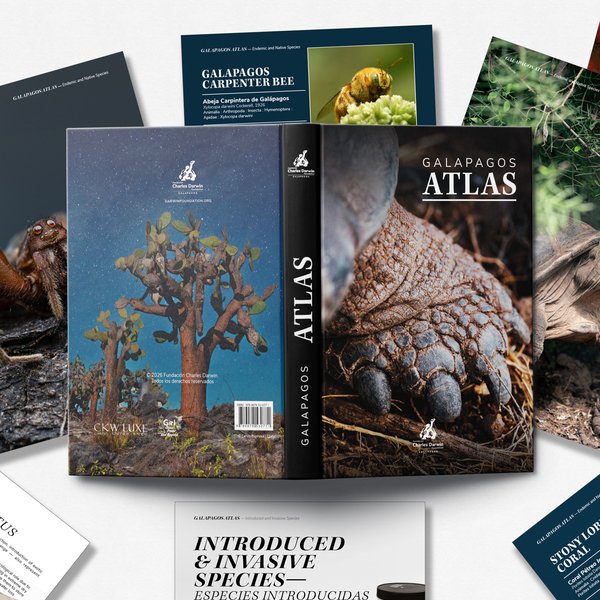
Explore a wealth of resources from the Charles Darwin Foundation available for download. From annual reports to research journals, species identification guides to educational texts like the Galapagos Atlas, our publications provide valuable insights into conservation efforts and biodiversity in the Galapagos Islands. Dive into our comprehensive collection today!
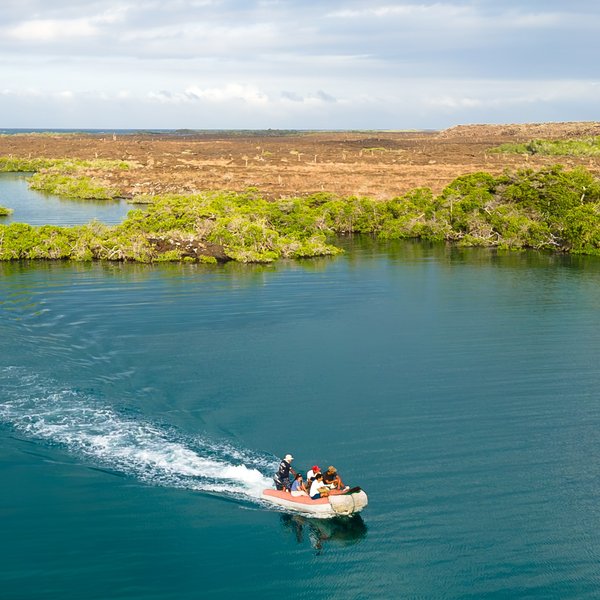
For more than 60 years, the research undertaken at the Charles Darwin Foundation has focused on furthering our understanding of the natural systems, their relationship with those living in the archipelago, and the intricate and relationship with those living in the archipelago, and the intricate and delicate balance between climate, mankind, and nature. Major research efforts have also focused on the prevention, control, and eradication of invasive species to maintain Galapagos as one of the best-conserved archipelagos in the world.
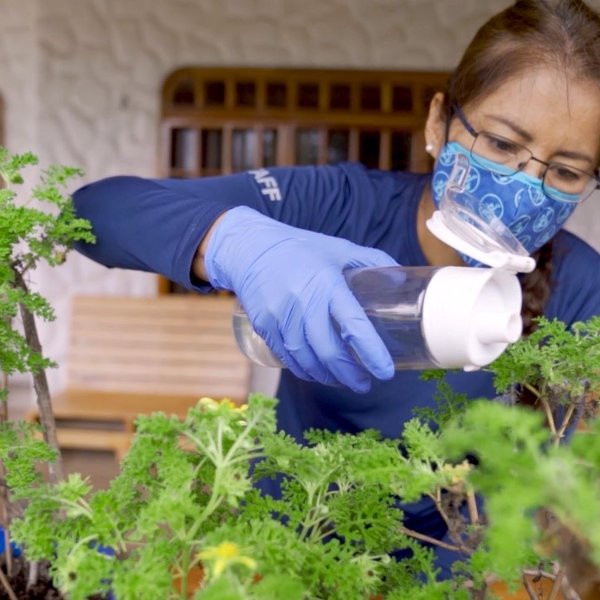
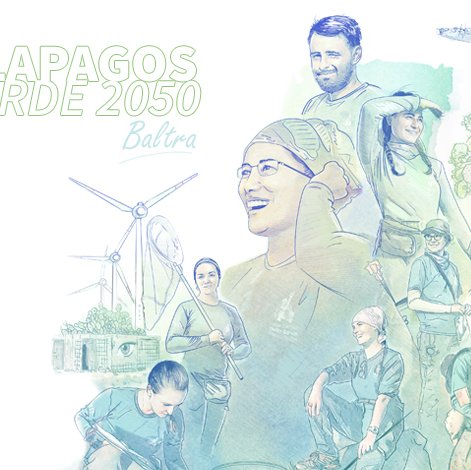
Microbiology arrived at the Galapagos Verde 2050 program
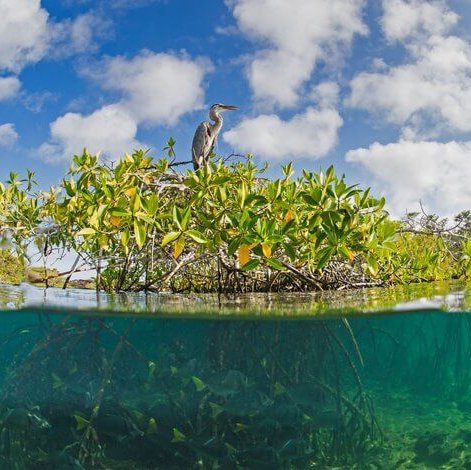
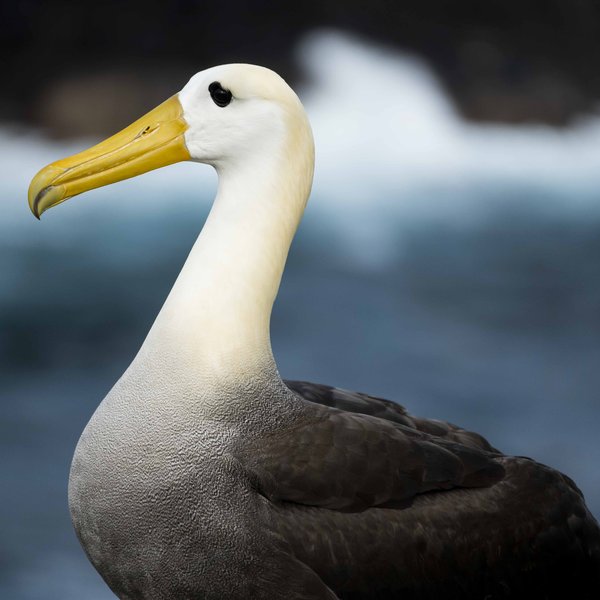
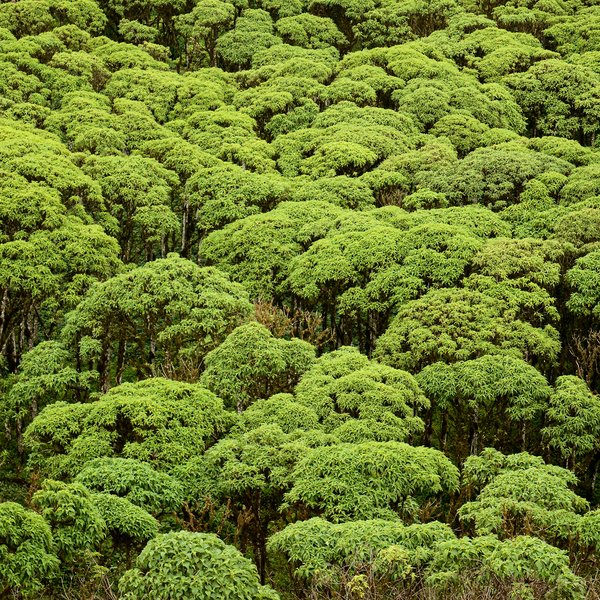
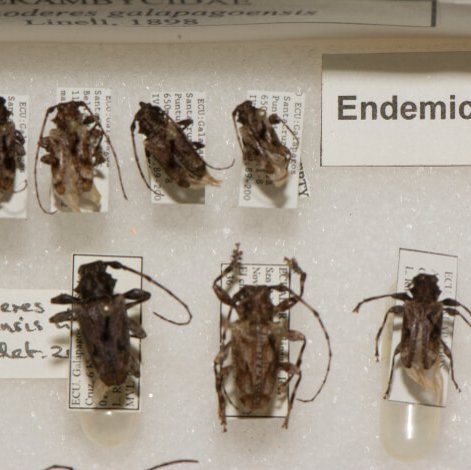
The Scalesia forest on Santa Cruz Island hosts 150 endemic insect species, representing 21% of those recorded in Galápagos within six studied groups. The research highlights their ecological importance and warns about threats from habitat loss and invasive species, reinforcing the urgent need for restoration and long-term conservation efforts.
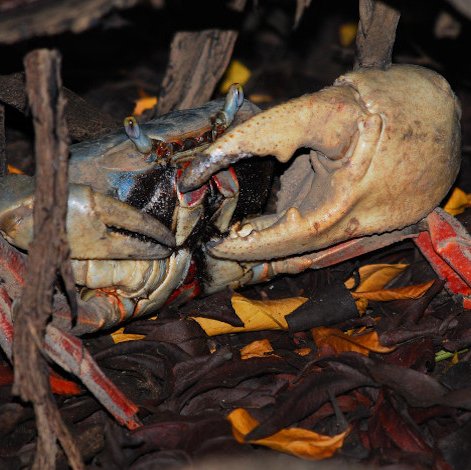
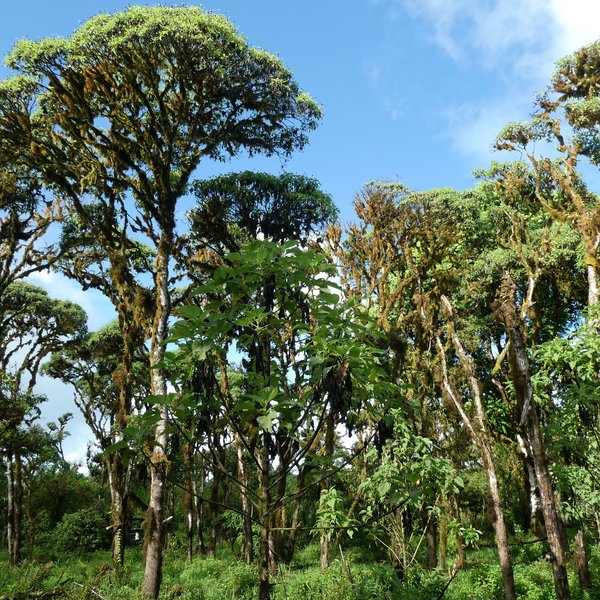
Discover how our projects foster the protection of the Galapagos Islands and how the Charles Darwin Foundation works to ensure that they remain a natural paradise for generations to come.
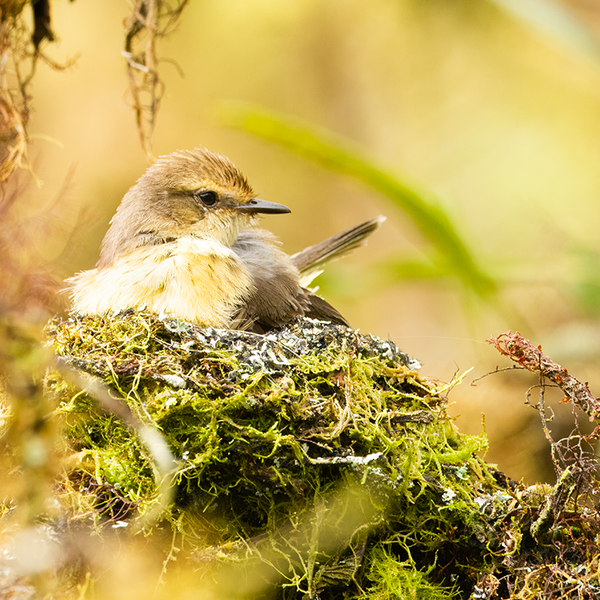
Record Year for Vermilion Flycatcher Season and Advances in the Recovery of the Mangrove Finch
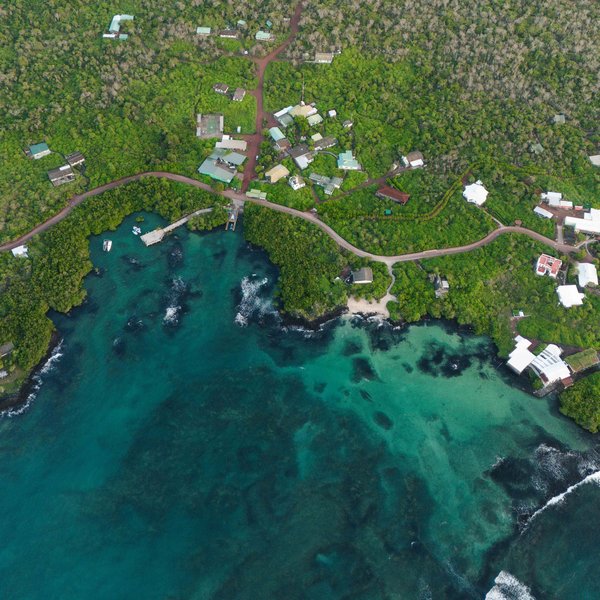
A special year deserves a special celebration. The Charles Darwin Foundation (CDF) opens its doors in collaboration with the Galapagos National Park (GNP), our strategic partner with whom we have worked hand in hand for 65 years.
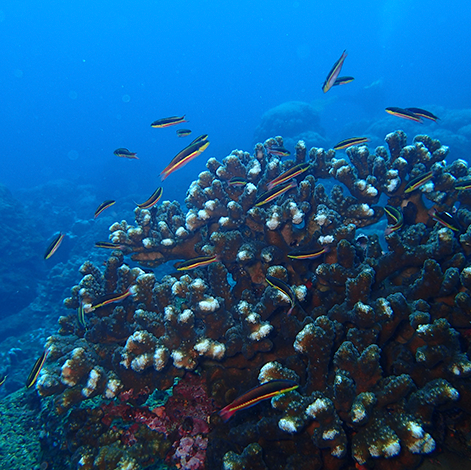
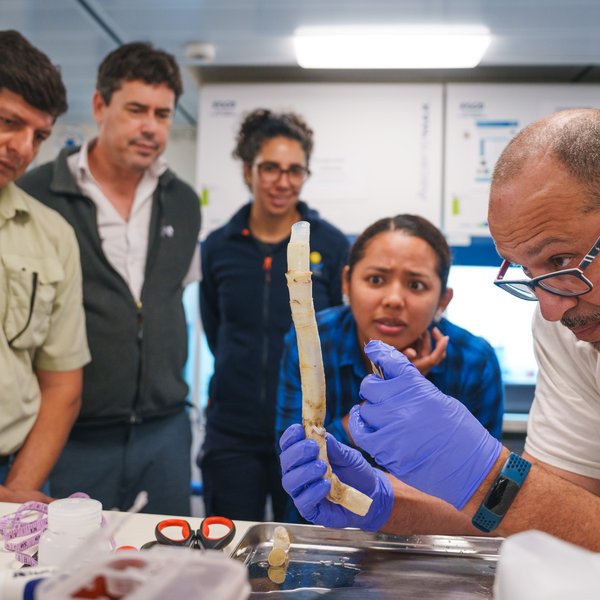
Whether you're a scientist seeking to collaborate , a student aspiring to complete your graduate degree under our guidance, or a university looking to establish a semester abroad program in the Galapagos, the Charles Darwin Foundation is here to provide support.
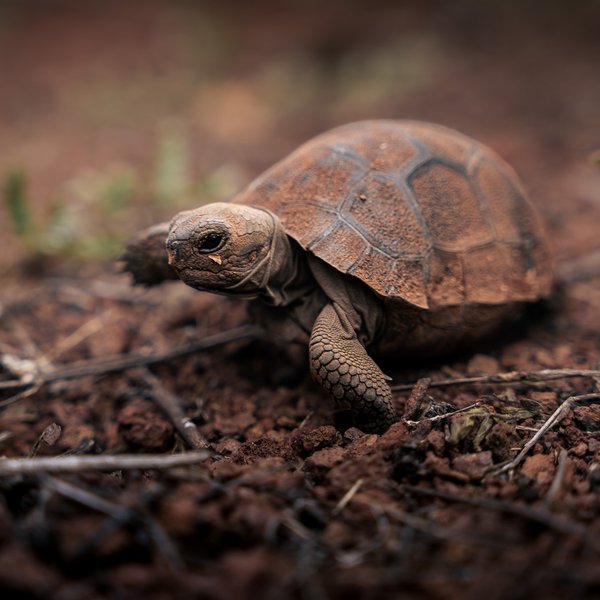
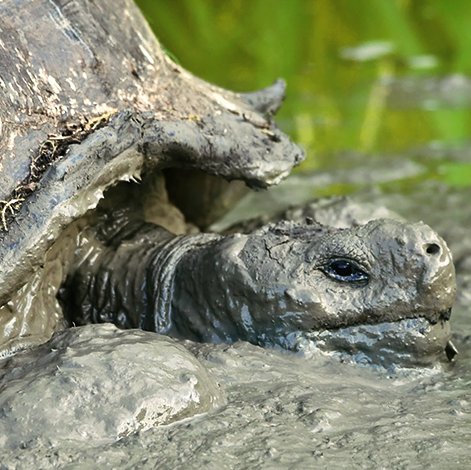
What can giant tortoises teach us about health, science, and hope?
Follow researcher Gislayne Mendoza from her roots in San Cristóbal to the rugged landscapes of Galapagos. Her story unveils surprising virus discoveries, the power of local science, and why protecting these ancient creatures means protecting the delicate balance between wildlife, people, and planet.