



Results
Carlos Espinosa/CDF
Carlos Espinosa/CDF
Carlos Espinosa/CDF
Carlos Espinosa/CDF
Carlos Espinosa/CDF
Carlos Espinosa/CDF
Carlos Espinosa/CDF
Carlos Espinosa/CDF
Rashid Cruz-CDF
Carlos Espinosa/CDF
Carlos Espinosa/CDF

Rashid Cruz-CDF
Archivo CDF
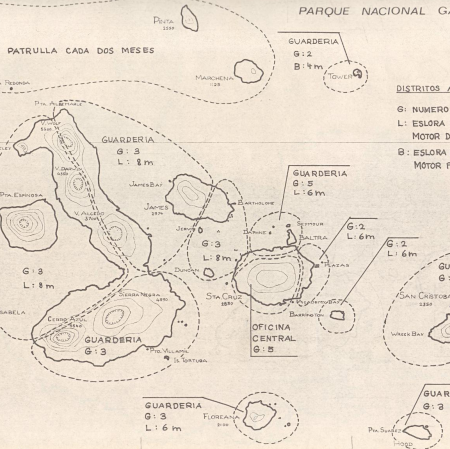
The 1973 Master Plan That Changed the Future of the Galapagos Islands
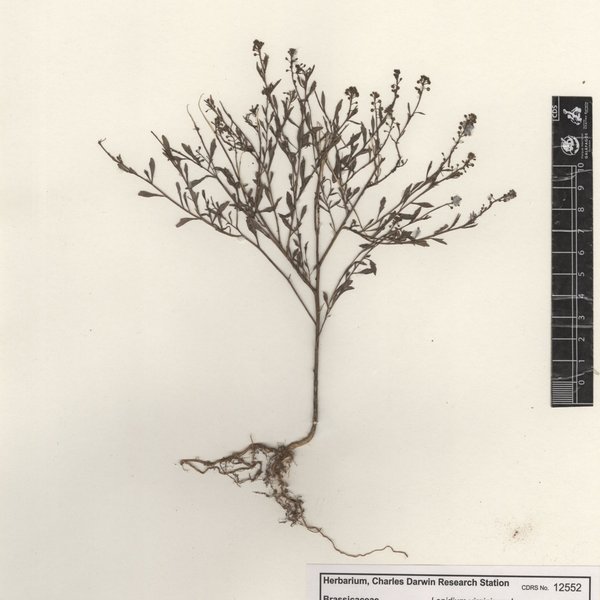
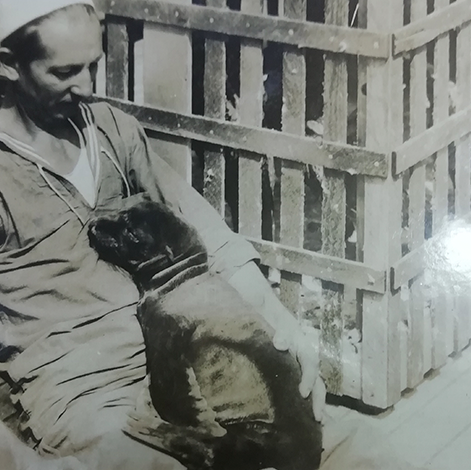
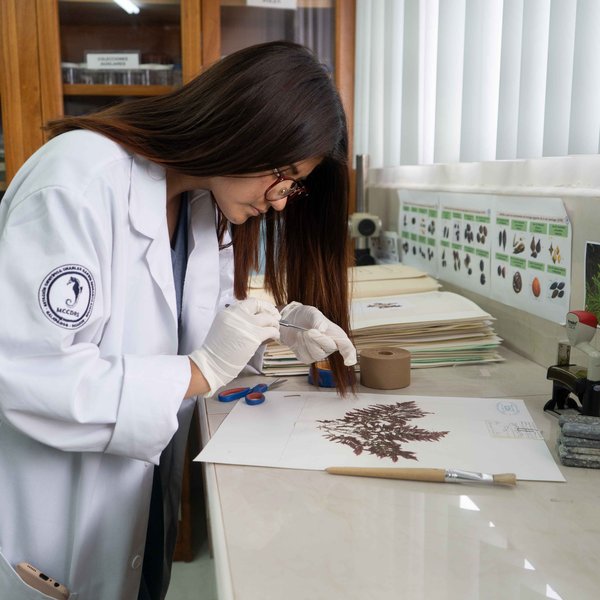
The 1973 Master Plan for the Protection and Use of Galapagos National Park was the first comprehensive planning framework for managing the archipelago. It introduced zoning, strengthened scientific research, and formalized collaboration with the Charles Darwin Research Station, laying the foundations for modern conservation in the Galapagos Islands.