Results

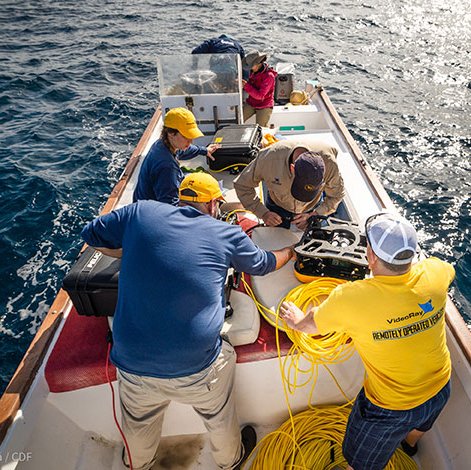
A scientific delegation from the Charles Darwin Foundation for the Galapagos Islands participated in the 12th annual meeting of the Commission of the South Pacific Regional Fisheries Management Organization (SPRFMO), which took place in Manta, Ecuador, between 29 January – 2 February 2024.
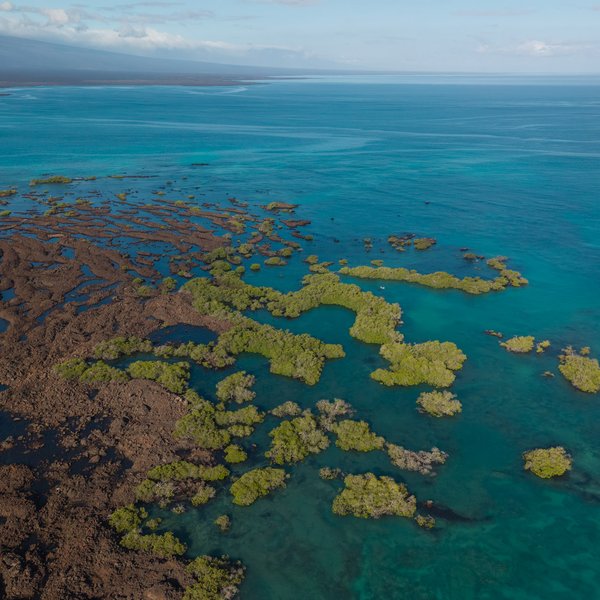
El Niño 2026 is transforming ocean conditions around Galápagos, with potential effects on food availability, reproduction, and survival across many species. Penguins, marine iguanas, sea lions, and corals are among the most vulnerable. Decades of scientific monitoring will help measure impacts and guide future conservation decisions across the archipelago effectively.

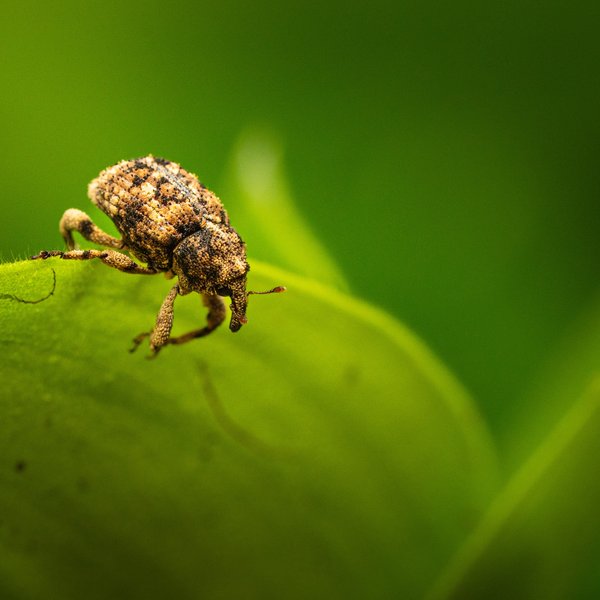
Tiny and often overlooked, Galapagos beetles sustain ecosystems: they decompose organic matter, recycle nutrients, pollinate and feed birds and reptiles. Entomologist María Sol Herrera uses photography to reveal their hidden beauty. Conserving the Scalesia pedunculata forest protects their diversity, because once we truly know something, it no longer remains invisible.

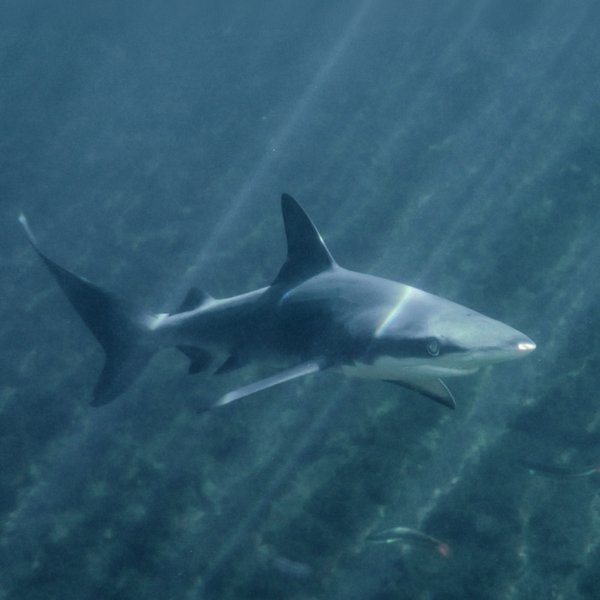
Galápagos sharks do not all behave the same. Hammerheads form large schools, whitetip reef sharks rest on reefs, tiger sharks repeatedly return to key feeding areas, and whale sharks undertake long migrations. Understanding these different behaviors helps protect critical habitats, migration routes, and supports more effective conservation strategies for each species.

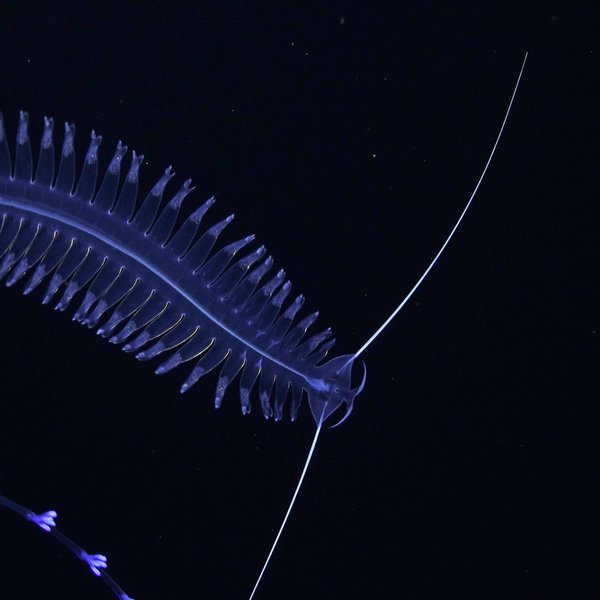
The deep ocean of the Eastern Tropical Pacific hosts unique ecosystems, including seamounts, deep reefs, and abyssal habitats. These environments support remarkable biodiversity, regulate climate, and connect migratory species. Scientific research is essential to discover new species, understand ecological processes, and strengthen conservation against growing environmental threats.
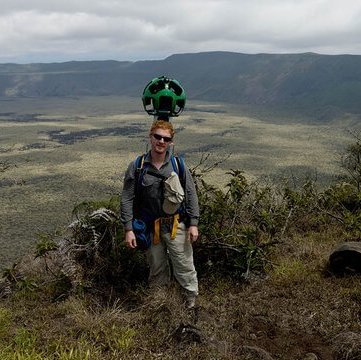
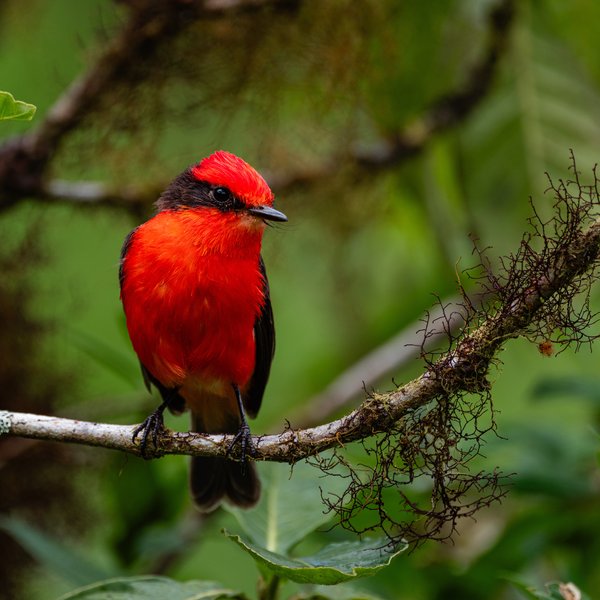
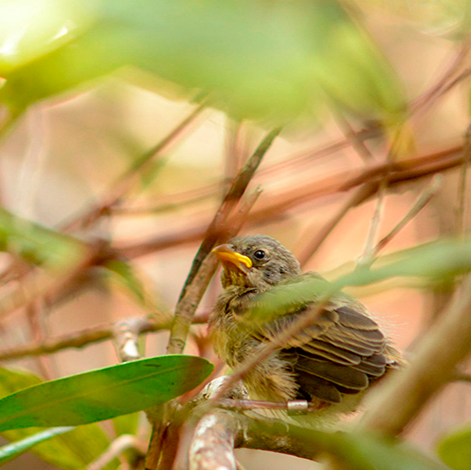
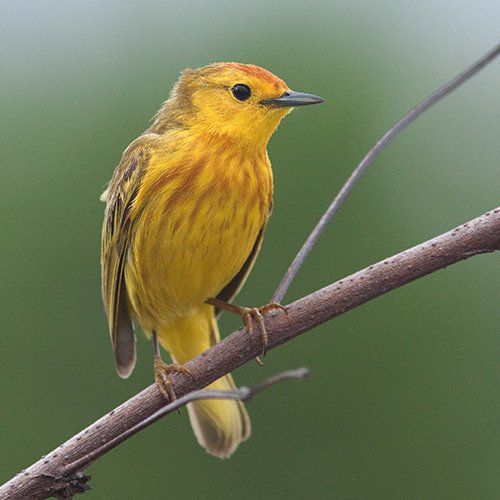
The Galápagos landbird breeding season (January–April) is critical for conservation. Monitoring and adaptive management, including innovative control of Philornis downsi, are improving nesting success. Early results show population recovery in key species, supported by habitat restoration. Ongoing data collection will determine long-term effectiveness and guide future conservation strategies.